28 Oct 2026
Free Entry Sports Prediction Games Driving Shifts in British Broadcast Audiences
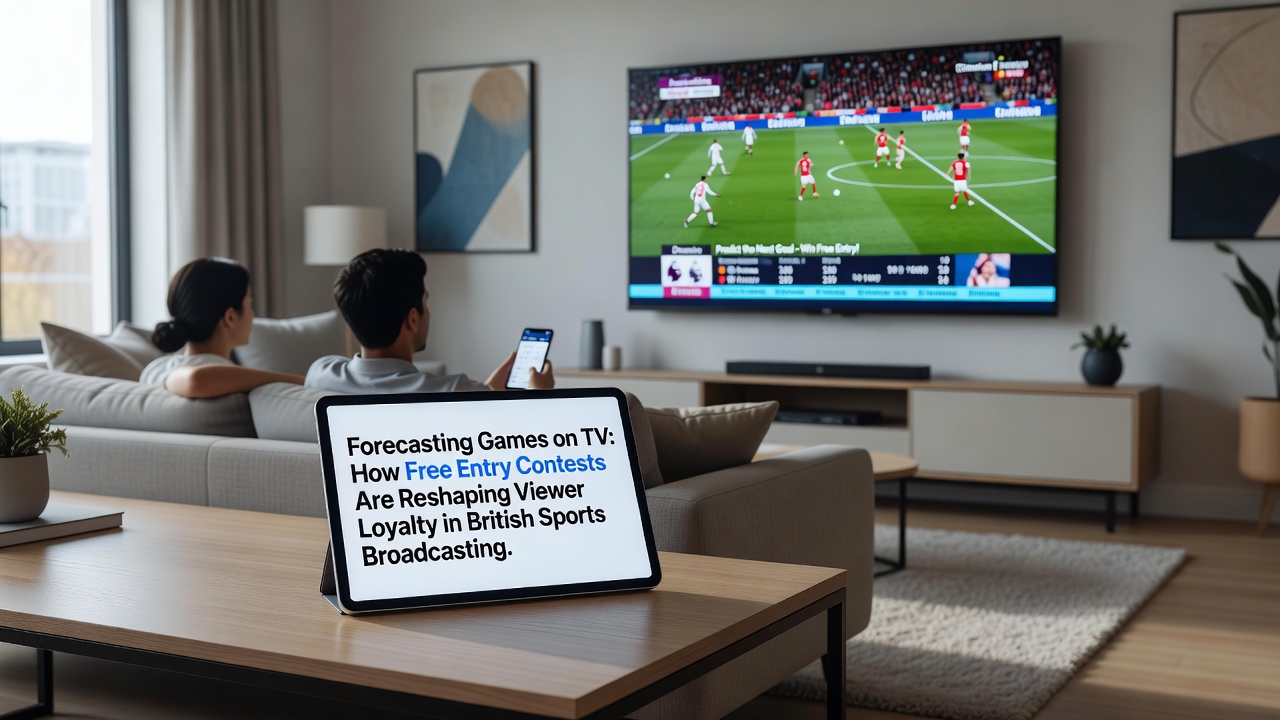
British sports broadcasting has seen free entry forecasting contests emerge as a distinct mechanism for holding audience attention across major networks, and data from industry reports indicate these games operate without any financial stake while requiring participants to submit predictions on match outcomes, player statistics, and other variables before events begin.
Networks integrate these contests directly into live coverage, with on-screen prompts and mobile applications allowing viewers to log predictions in real time, and figures from media analytics firms show participation rates climbing steadily through 2025 into October 2026 when several Premier League and rugby seasons aligned with expanded contest formats on multiple channels.
Mechanics Behind Free Entry Forecasting Contests
Participants select outcomes across a set number of fixtures each week, often receiving points for correct calls on results, goal scorers, or margins of victory, while the absence of entry fees distinguishes these formats from traditional betting products and aligns them instead with loyalty programs that reward consistent engagement through leaderboards and occasional prize draws funded by sponsors rather than player contributions.
Broadcast partners embed contest interfaces within match graphics and halftime segments, which creates repeated touchpoints that encourage viewers to remain tuned in rather than switching channels, and research from media consumption studies confirms higher average viewership durations on evenings when active contests run alongside premier events.
Audience Retention Patterns Across UK Networks
Viewer data collected by independent research groups reveal that households participating in free contests demonstrate longer session lengths and higher return rates for subsequent broadcasts compared with non-participants, and this pattern holds across football, cricket, and tennis coverage where networks have rolled out similar tools.
One study conducted by academic teams at European universities tracked channel-switching behavior before and after contest introductions, finding measurable declines in mid-program exits once prediction elements became part of the viewing experience, while parallel data from Australian media regulators highlight comparable retention lifts in markets that adopted analogous systems earlier.
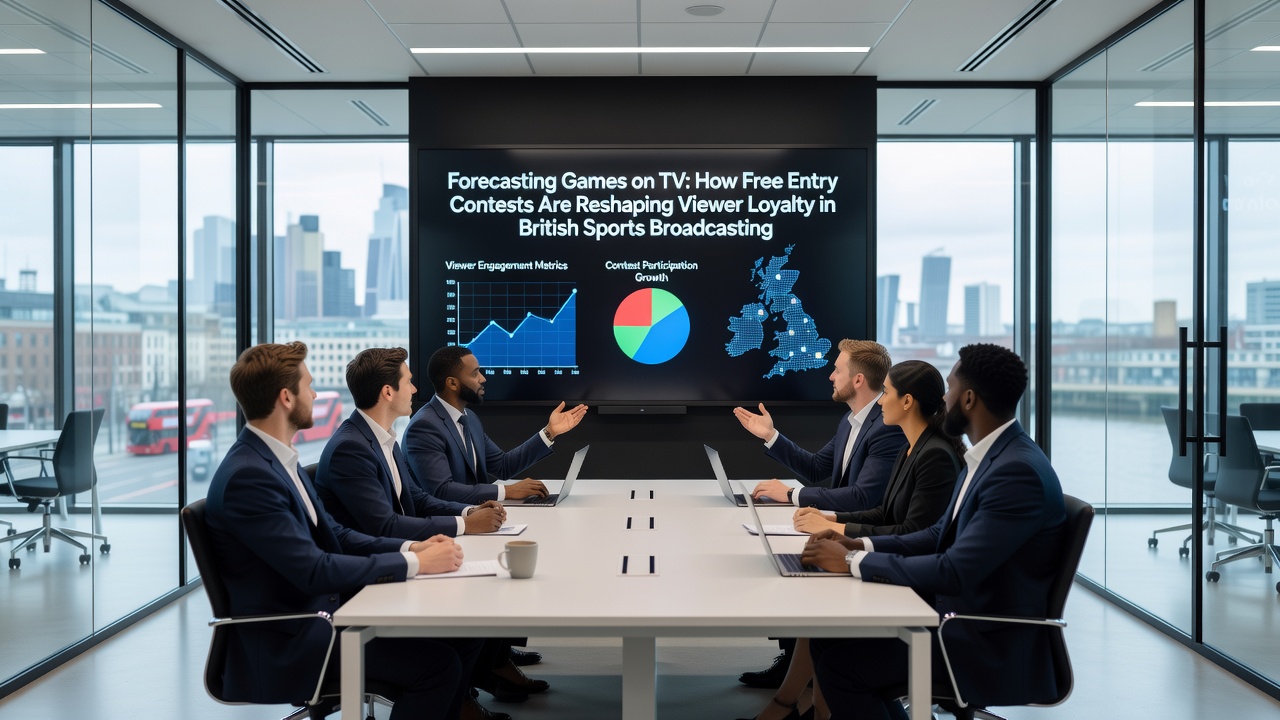
Cross-platform integration plays a central role, as viewers move between television feeds, companion apps, and social media updates that refresh contest standings, and this multi-device loop reinforces habitual viewing without requiring additional payment structures.
Regulatory Context and Industry Comparisons
UK broadcast regulators have examined these contests to ensure clear separation from gambling activities, and guidelines emphasize that no monetary risk exists for participants while prize pools remain sponsor-supported, yet observers note ongoing monitoring as formats evolve through late 2026.
International comparisons appear in reports from the Canadian Radio-television and Telecommunications Commission, which documented similar audience effects in domestic sports coverage that incorporated prediction elements, and those findings align with patterns emerging in British markets where free contests now feature in scheduling decisions for major tournaments.
Industry associations representing sports media have published summaries showing that networks deploying these tools report improved demographic reach, particularly among younger adults who engage via mobile while watching linear broadcasts, and such data underscore measurable shifts in how loyalty metrics are calculated across the sector.
Future Developments in Contest Integration
Developers continue refining algorithms that adjust prediction difficulty and prize structures based on participation volume, and broadcasters have begun testing augmented reality overlays that display contest progress during live action, which further embeds the experience within the primary viewing window.
By October 2026 several major rights holders had expanded contest availability to include international tournaments, creating year-round engagement cycles that previously relied solely on seasonal schedules, while academic analyses continue to quantify correlations between contest usage and subscription retention rates for streaming add-ons tied to linear channels.
Conclusion
Free entry forecasting contests have become embedded features within British sports broadcasting ecosystems, with available statistics and cross-border studies demonstrating their role in extending viewer sessions and encouraging repeat engagement across platforms, and ongoing refinements through 2026 suggest these mechanisms will remain central to how networks structure audience interactions without introducing financial barriers for participants.