30 Sep 2026
How Complimentary Sports Forecasting Competitions Influence Viewer Habits Across UK Media Networks
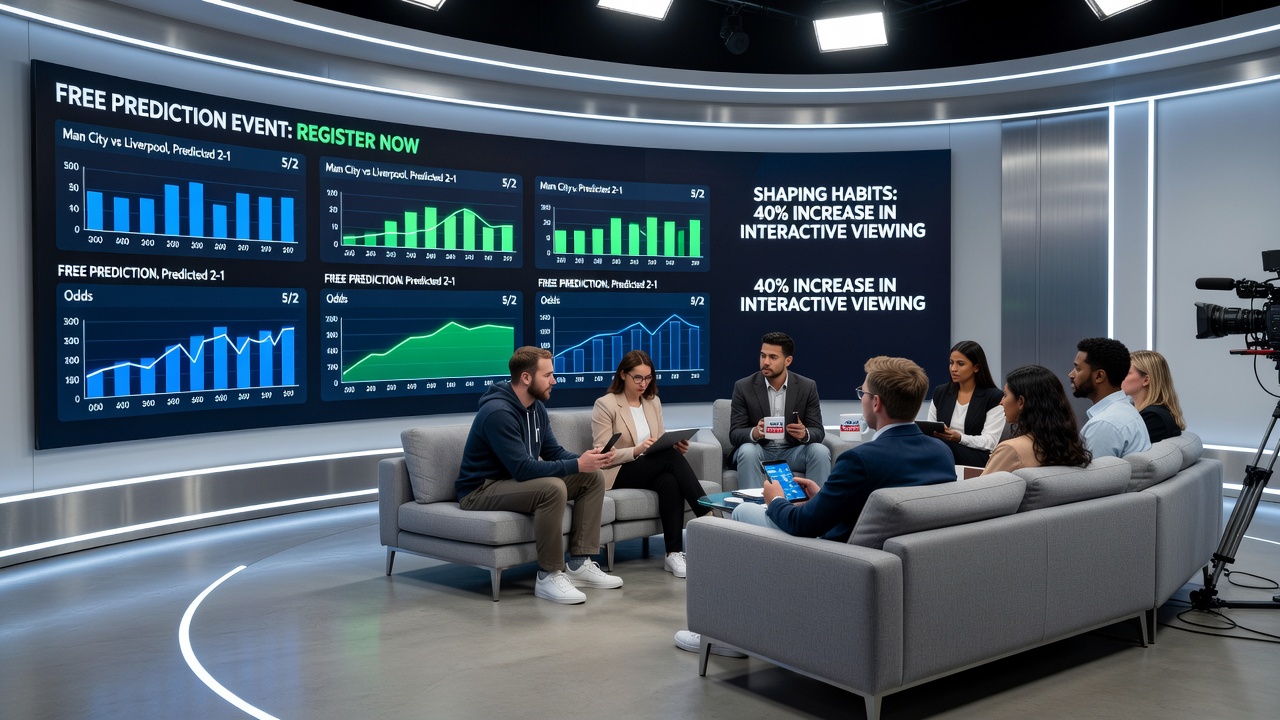
Free sports prediction events have become a regular feature on several UK broadcast networks, where viewers submit forecasts for match outcomes, player statistics and other variables without any financial stake required, and these activities run alongside live coverage of football, cricket and rugby fixtures throughout the year.
Core Mechanics of These Prediction Events
Networks integrate prediction contests directly into their programming schedules, so participants use apps or websites to enter selections before games begin, then receive updates during broadcasts that show leaderboard positions and correct answers as events unfold, and this format encourages repeated logins across multiple matchdays because scores accumulate over weeks or seasons.
Data from media analytics firms indicates that such integrations increase average viewing duration by prompting audiences to stay tuned through half-time intervals and post-match analysis segments, while those who participate often return for subsequent fixtures in the same competition cycle.
Patterns in Audience Retention and Scheduling
Broadcast schedules now align commercial breaks and studio discussions around prediction deadlines, which means producers adjust segment lengths to accommodate real-time result reveals that keep participants engaged until the final whistle, and this approach has led to measurable upticks in concurrent app usage during peak evening slots on weekends.
Observers note that channels running these events report steadier audience figures across an entire weekend rather than spikes limited to opening and closing moments of matches, and the consistency stems from viewers checking in periodically to update or verify their forecasts against unfolding play.
Demographic Shifts Observed in 2026
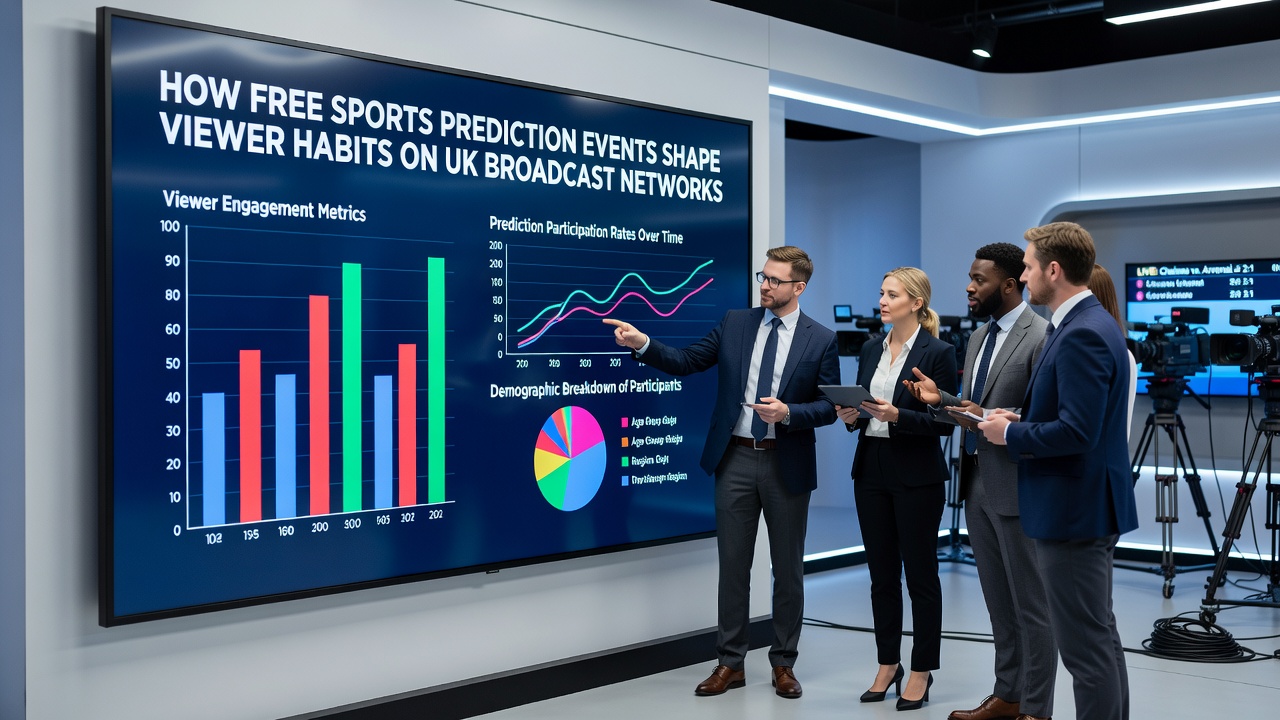
By September 2026, participation rates among younger adults had risen notably compared with earlier years, according to figures released by the Australian Communications and Media Authority in their cross-market media consumption review, and this growth coincided with expanded mobile integration that allows simultaneous viewing and forecasting on single devices.
Networks adjusted their content calendars to include more midweek fixtures with associated prediction rounds, which in turn altered traditional prime-time lineups and encouraged families to watch together while competing on separate entries, and the result appears in aggregated viewing logs that show extended household screen time during those slots.
Comparative Data from Other Regions
Research conducted by the European Broadcasting Union highlights similar retention effects in several member countries where free forecasting tools accompany sports coverage, and the patterns suggest that viewers who start with one event often extend their sessions to related programming such as preview shows or magazine formats that feed into the next round of predictions.
Canadian regulators at the CRTC documented parallel trends in their annual digital media report, where audiences using companion apps stayed connected longer even when the primary broadcast switched to highlights or analysis, and those findings align with UK network observations that tie prediction participation directly to reduced channel switching during live events.
Technical Integration and Platform Evolution
Broadcasters have refined their second-screen experiences so that prediction interfaces sync automatically with on-air graphics, delivering instant feedback that reinforces the connection between the televised match and the viewer's personal selections, and this technical layer reduces the friction that previously caused drop-offs midway through extended sessions.
Updates rolled out ahead of the 2026 season introduced push notifications tied to specific player milestones or score changes, which further embed the forecasting activity into the viewing routine and prompt returns during quieter periods of play, yet these features remain optional so that non-participants continue to access core coverage uninterrupted.
Conclusion
Free sports prediction events continue to modify how UK audiences interact with broadcast schedules, as evidenced by sustained session lengths and demographic expansions noted through 2026, while technical refinements and cross-regional comparisons point to ongoing adaptation by networks seeking to maintain consistent engagement across live and ancillary programming.