30 Sep 2026
Sports Forecasting Competitions as Tools for Broadcast Network Audience Engagement
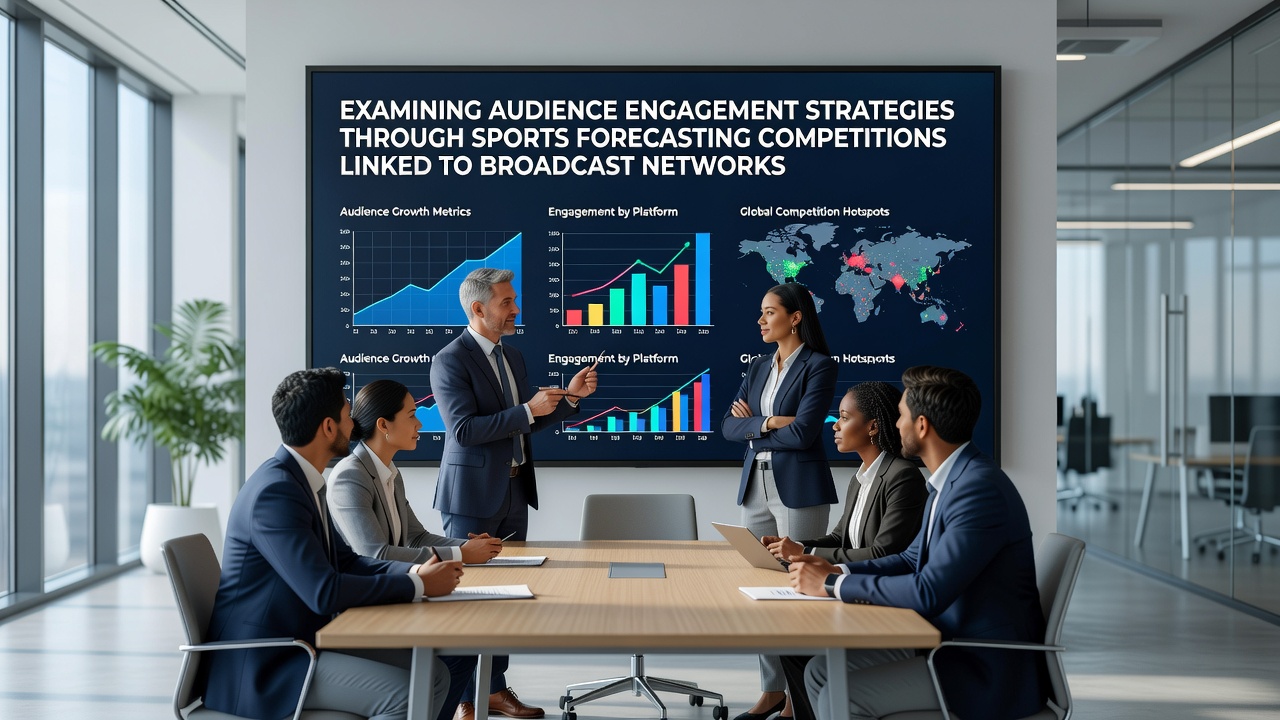
Broadcast networks have integrated sports forecasting competitions into their programming schedules to maintain viewer attention across multiple platforms, and these initiatives combine real-time prediction elements with live event coverage to create ongoing interaction points that extend beyond traditional viewing hours. Networks design these contests so participants submit forecasts on match outcomes, player statistics, and game developments, often through dedicated mobile applications or websites that sync directly with on-air segments.
Mechanics of Integration with Live Broadcasts
Production teams embed prediction prompts during halftime shows and pre-match analysis, while data feeds update participant standings in real time on screen, and this approach allows viewers to track their accuracy against others without leaving the broadcast feed. Observers note that synchronization between the contest platform and the television signal relies on precise timing protocols, which ensures predictions lock in before events unfold on the field.
Technical setups include API connections between broadcast automation systems and contest servers, whereas partnerships with sports data providers supply the verified results that determine scoring. Those who have examined these systems report that redundancy measures prevent disruptions during peak viewing periods, and networks schedule regular maintenance windows outside major tournament dates to avoid interference.
Participation Patterns Across Different Markets
Data from multiple regions shows higher engagement rates during international tournaments compared with domestic leagues, and participants in North America often favor weekly leaderboards that reset with each new round of fixtures. European platforms record sustained activity through shorter daily challenges that tie into evening highlight programs, whereas Australian broadcasters have tested seasonal formats that accumulate points over several months.

Research conducted by academic institutions indicates that repeat participation increases when networks offer tiered reward structures, including digital badges and occasional merchandise draws, yet these incentives remain separate from any monetary wagering elements. Figures from industry reports reveal that mobile access accounts for the majority of entries, which has prompted networks to optimize interfaces for smaller screens and variable network conditions.
Measurement of Viewer Retention Metrics
Broadcast analytics teams track session duration on companion apps during live events, and they compare these figures against periods without active forecasting contests. One study released by the European Broadcasting Union highlighted correlations between contest availability and extended dwell times on network websites, while similar analyses from Canadian regulatory bodies have examined cross-platform traffic patterns during major sports seasons.
Networks adjust contest difficulty based on historical completion rates, and they introduce new prediction categories when certain question types show declining response volumes. As preparations advance for the 2026 season opening in September, several platforms have announced updates to scoring algorithms that incorporate additional contextual variables such as weather conditions and team travel schedules.
Technical and Regulatory Considerations
Compliance frameworks require clear separation between forecasting activities and licensed gambling products, and operators maintain distinct terms that emphasize entertainment value over financial stakes. Industry organizations have published guidelines on data handling practices for participant information collected through these contests, and networks implement encryption standards that align with broader media privacy regulations across different jurisdictions.
Updates to contest rules often occur ahead of major calendar changes, and testing phases allow networks to verify that scoring systems handle edge cases such as postponed matches or venue alterations. Those who monitor platform performance note that cloud-based architectures have improved scalability during unexpected spikes in concurrent users.
Conclusion
Sports forecasting competitions continue to serve as structured extensions of broadcast programming that encourage repeated interaction through prediction mechanics and real-time feedback. Networks refine these systems based on participation data and technical performance indicators, while maintaining alignment with applicable media and data regulations in their operating regions. As formats evolve, the core linkage between on-air events and companion platforms remains central to sustaining audience connections across seasons.