25 Nov 2026
The Unseen Connections: How Free Prediction Games Guide Audiences Toward Licensed UK Betting Operators
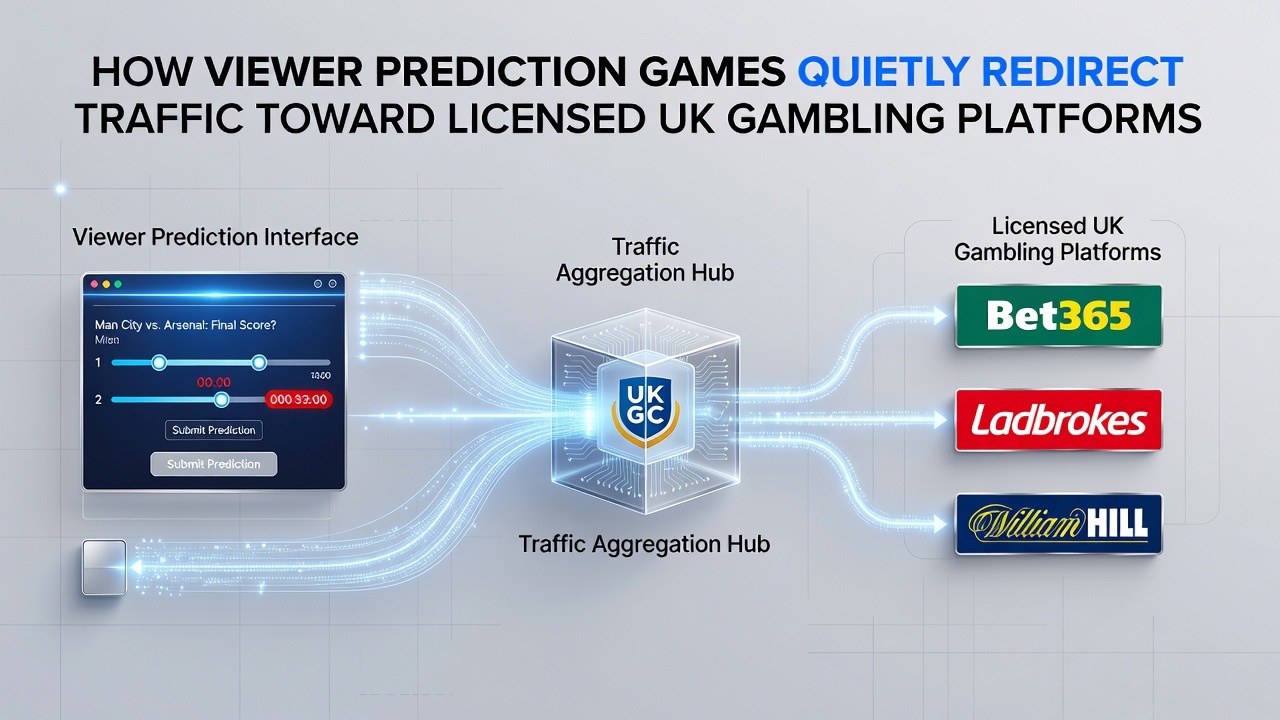
Free prediction games have become fixtures across British television and digital platforms where participants forecast match results or player performances without any financial stake required at entry, and these contests often sit alongside commercial betting promotions that appear once users register their details.
Mechanics Behind Audience Participation
Participants submit predictions through apps or websites tied to major broadcasters, accumulate points based on accuracy, and compete for cash prizes or merchandise while the platforms collect demographic data and viewing habits that later inform targeted marketing, yet many users encounter seamless transitions to licensed operators when they seek enhanced rewards or real-money versions of the same forecasting format.
Registration typically requires an email address and basic personal information which then feeds into segmented campaigns that highlight sign-up bonuses on regulated sites, and data shows these pathways operate within the boundaries set by multiple European regulatory frameworks that monitor cross-promotion between entertainment products and gambling services.
Pathways That Channel Viewers
Links embedded in game results pages or post-match summaries direct users toward partner platforms where account creation unlocks additional features, while push notifications remind participants of upcoming events and simultaneously promote deposit matches available only through authorized operators, and this integration has grown more sophisticated as broadcasters partner with technology providers to maintain viewer retention across both free and paid experiences.
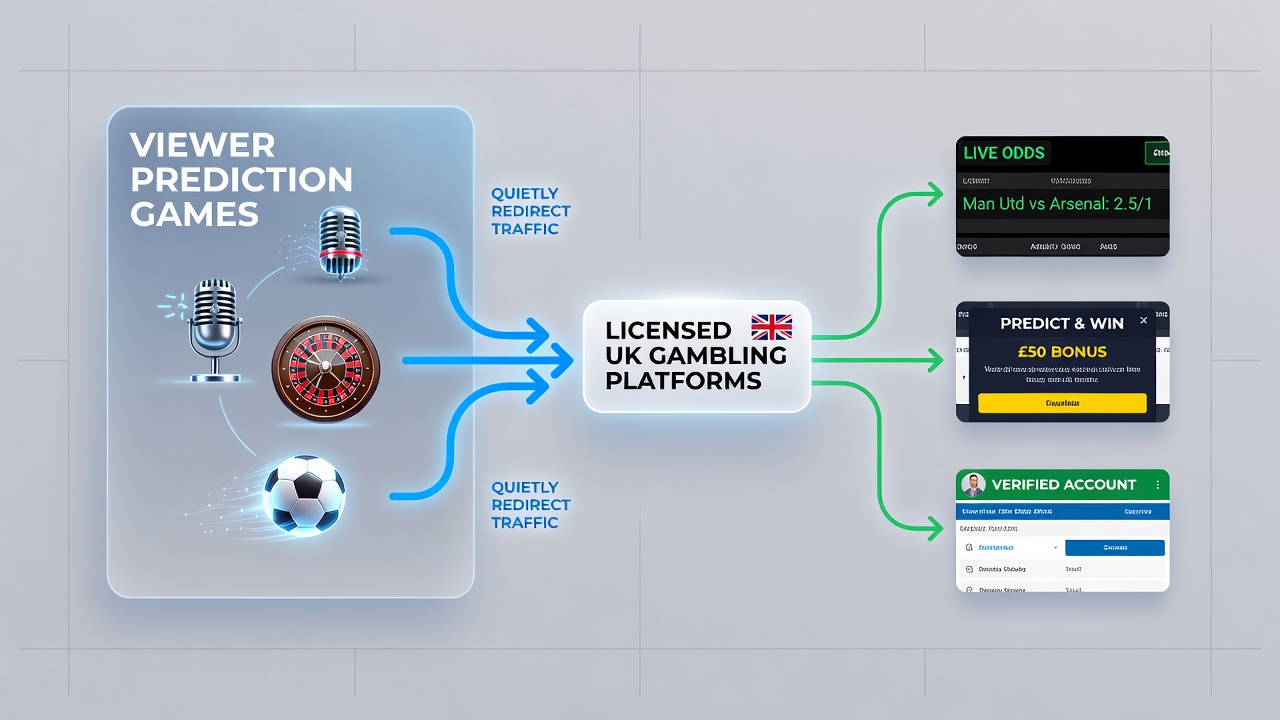
One study from the Victorian Responsible Gambling Foundation examined similar audience migration patterns in Australia and found that free-entry competitions increased exposure to licensed wagering options by measurable margins when integrated into live sports coverage, and observers note parallel developments in Britain where the same structural elements appear in weekly forecasting contests.
Regulatory Context and Industry Standards
Operators must adhere to advertising codes that distinguish between free games and paid betting activities, yet the proximity of these offerings creates natural pathways that comply with current rules while still directing traffic, and in November 2026 further updates to digital marketing guidelines across several jurisdictions are expected to refine how such transitions are disclosed to participants.
Industry reports from the National Council on Problem Gambling in the United States highlight how data collected through entertainment applications can influence later engagement with regulated gambling, and researchers discovered that users who begin with zero-stake predictions often progress to real-money platforms when the interface remains consistent and familiar.
Measurement of Traffic Shifts
Analytics from platform partnerships reveal spikes in registrations on licensed sites coinciding with peak participation periods in prediction contests, while session data indicates that a significant portion of new accounts originate from users who previously engaged only with free forecasting tools, and these patterns hold across multiple sports seasons without violating existing compliance requirements.
Academic papers published in the Journal of Gambling Studies have documented comparable flows in other markets where entertainment products serve as entry points, and the evidence suggests that seamless user experiences rather than aggressive advertising drive the observed redirection toward authorized operators.
Conclusion
The relationship between free prediction games and licensed UK betting platforms rests on shared technology, user data flows, and broadcast partnerships that together create efficient channels for audience movement while remaining subject to regulatory oversight from various international bodies, and continued monitoring through 2026 will clarify how these systems evolve under updated standards.